
Conservation is interconnected. So is our approach.
Conservation Dynamics Institute is a nonprofit conservation science organization focused on complex questions that cross disciplines, landscapes, and communities.
We bring together data, spatial analysis, behavioral science, and interdisciplinary research to work collaboratively with partners in understanding conservation challenges and exploring evidence-informed paths forward.
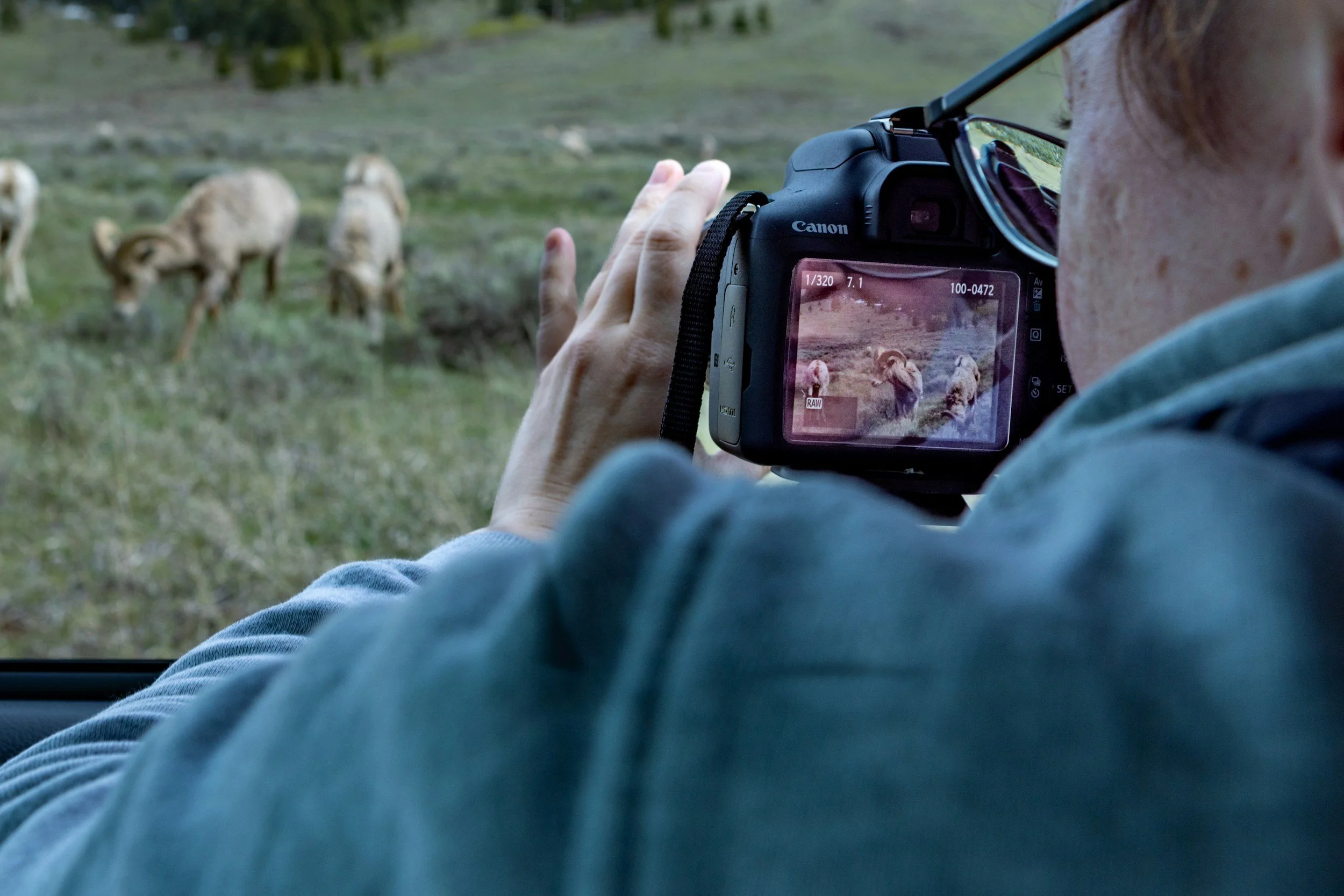
Why CDI Exists
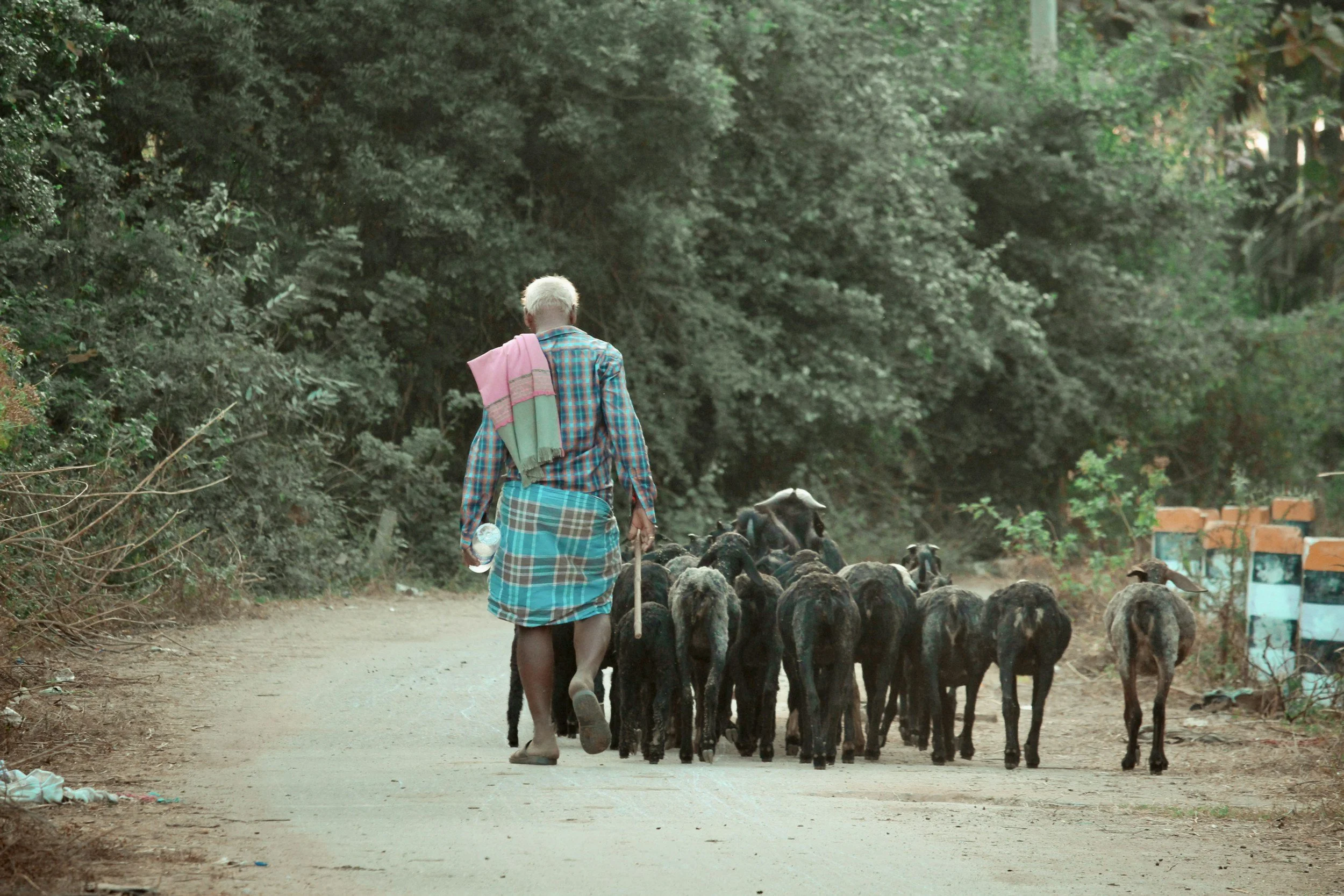
An interdisciplinary approach to conservation science
Sometimes the challenge is not a lack of information. It is connecting what we already know.
Conservation challenges are rarely confined to a single discipline. They emerge from interactions among wildlife, people, landscapes, institutions, policies, and environmental change—yet the information needed to understand those relationships is often separated across fields, organizations, datasets, and research traditions.
In many cases, the challenge is not simply a lack of information. Valuable evidence may already exist in field observations, scientific literature, spatial data, monitoring programs, community knowledge, or organizational records, but those pieces are not always brought together in ways that reveal the larger picture.
A pattern observed in the field may not yet have been tested statistically. Ecological data may be analyzed separately from human behavior. Research findings may be scattered across dozens of studies. Valuable datasets may contain relationships that have never been explored.
Conservation Dynamics Institute was created to help bridge those gaps.
We bring together quantitative, spatial, behavioral, ecological, and interdisciplinary perspectives around the conservation question itself, rather than beginning with a predetermined method or discipline.
Our aim is to work alongside conservation practitioners, researchers, organizations, and communities to connect evidence, explore difficult questions, identify patterns and uncertainties, and contribute to conservation decisions that are informed by both science and context.
Our Approach
01 — Start with the question
Not the method.
The methods should follow the conservation problem—not the other way around. We select approaches based on the question, context, evidence available, and needs of the project.
02 — Work collaboratively
Expertise comes in many forms.
The people closest to a conservation challenge bring essential knowledge. We combine scientific methods with the experience and expertise of practitioners, researchers, organizations, and communities.
03 — Follow the evidence
Even when it surprises us.
Research does not always produce the answer we expect. We investigate uncertainty and conflicting findings carefully and communicate what the evidence supports—and what it does not.
04 — Keep the work useful
Research should inform practice.
Whether the result is a model, map, evaluation, synthesis, or research finding, we aim to make it understandable and useful to people working in conservation.
Our Commitment to Animal Welfare
Conservation science should respect the animals it seeks to protect.
Animal welfare is a core part of CDI's scientific philosophy.
We do not conduct or endorse research that intentionally causes animals unnecessary pain, distress, or harm. Whenever possible, our work emphasizes existing datasets and non-invasive or minimally disruptive approaches that allow important conservation questions to be investigated without interfering with natural behavior.
These approaches may include remote sensing, camera-trap and acoustic data, observational research, spatial and environmental datasets, existing wildlife records, surveys, and other non-invasive sources of evidence.
We believe scientific rigor and compassion can strengthen one another.
Let’s explore a conservation challenge together.
Some collaborations begin with a research question. Others begin with a dataset, an unexplained field observation, an intervention that needs evaluation, or simply a conservation problem that would benefit from another perspective.
If you think CDI could contribute to a question your organization is exploring, we would be glad to learn more.