
Our Work
Different questions require different tools.
Conservation challenges do not arrive neatly categorized as data problems, behavioral problems, ecological problems, or evaluation problems.
CDI works with partners to understand the question first, then brings together the methods, evidence, and expertise best suited to investigating it.
Our work spans four interconnected areas.
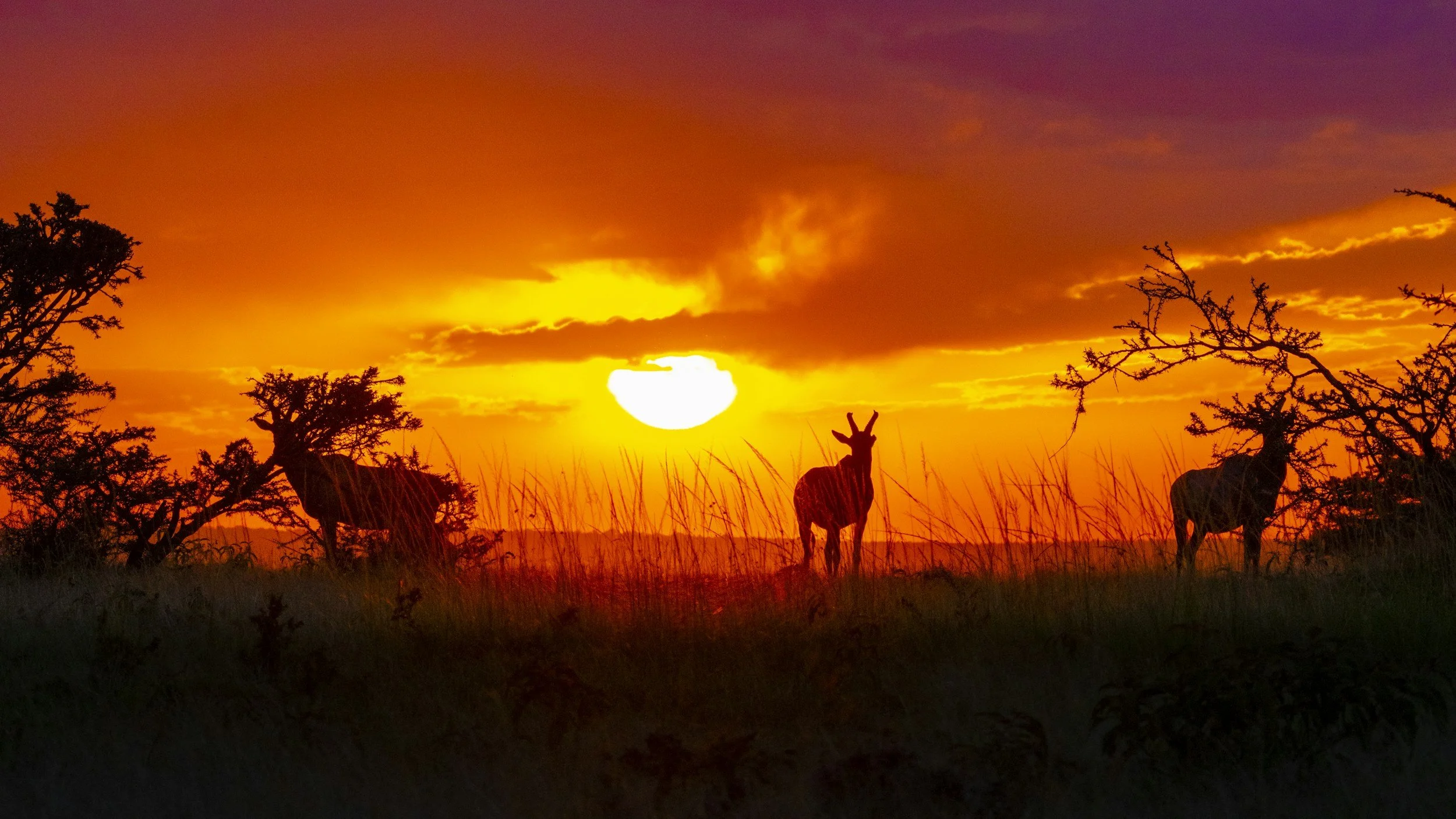
Data Science & Spatial Analysis
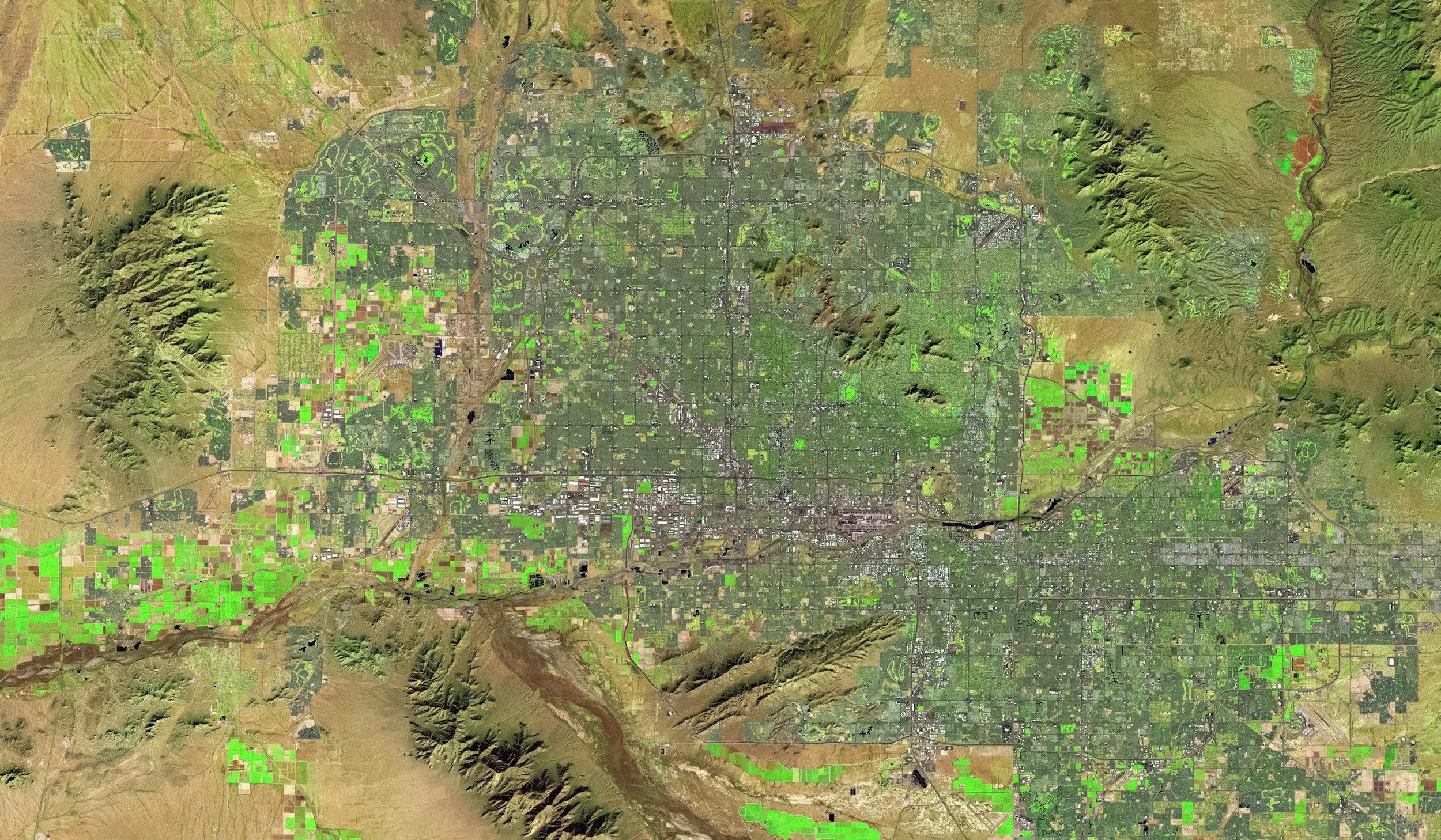
Finding patterns in complex conservation data.
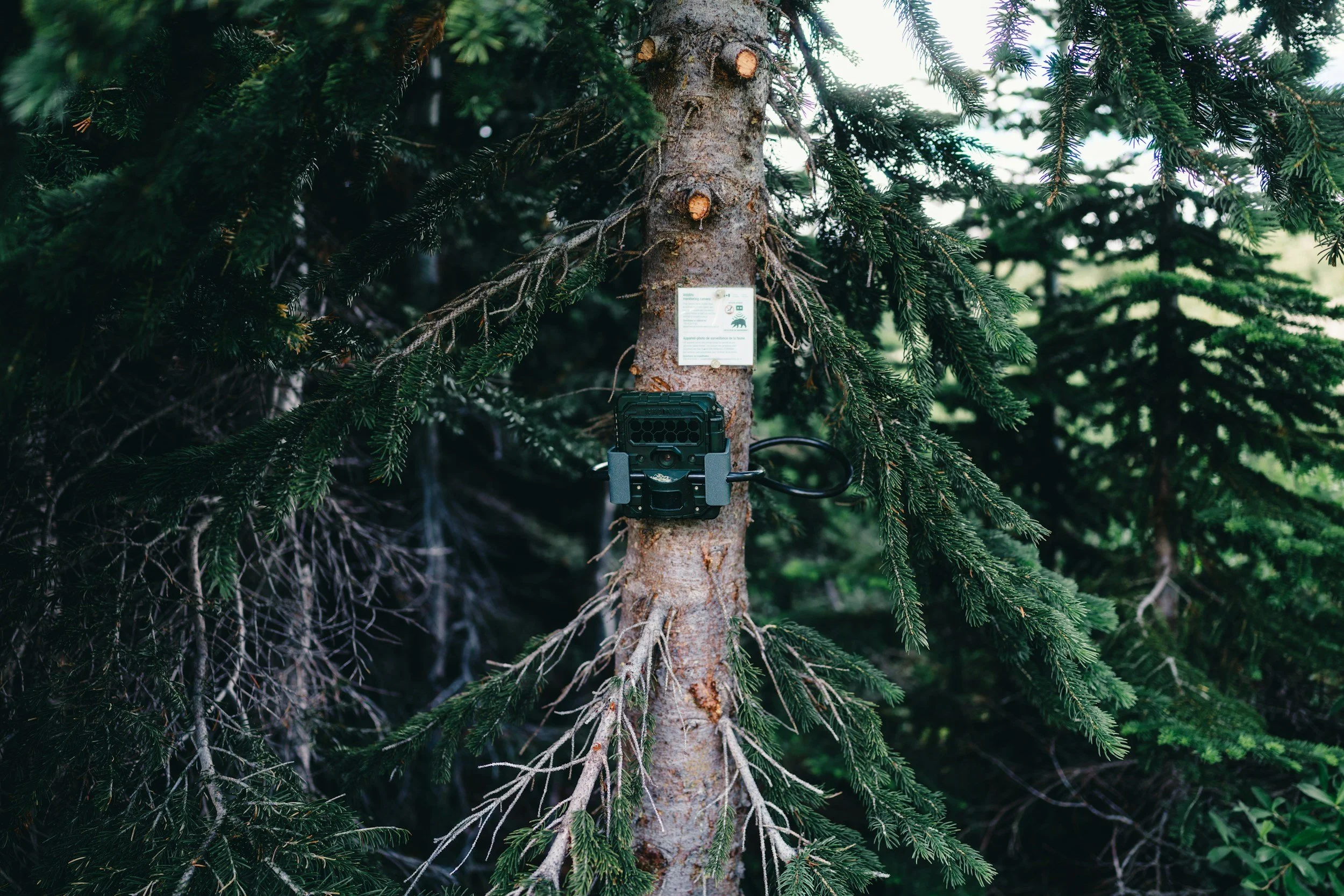
Conservation organizations generate and encounter increasingly large and diverse sources of information—from wildlife monitoring and environmental datasets to geographic, demographic, organizational, and community data.
We help partners organize, integrate, analyze, and interpret those data to better understand patterns, relationships, risks, and change.
Depending on the question, this work may include statistical modeling, predictive analysis, geographic information systems (GIS), spatial analysis, machine learning, data visualization, and the integration of multiple datasets.
Questions might include:
Where are wildlife conflicts most likely to occur - and can we develop a model to predict them?
Which environmental or human factors are associated with those events?
Can historical patterns help anticipate where future risks may emerge?
How do wildlife, people, infrastructure, and habitat overlap across a landscape?
Behavioral Conservation
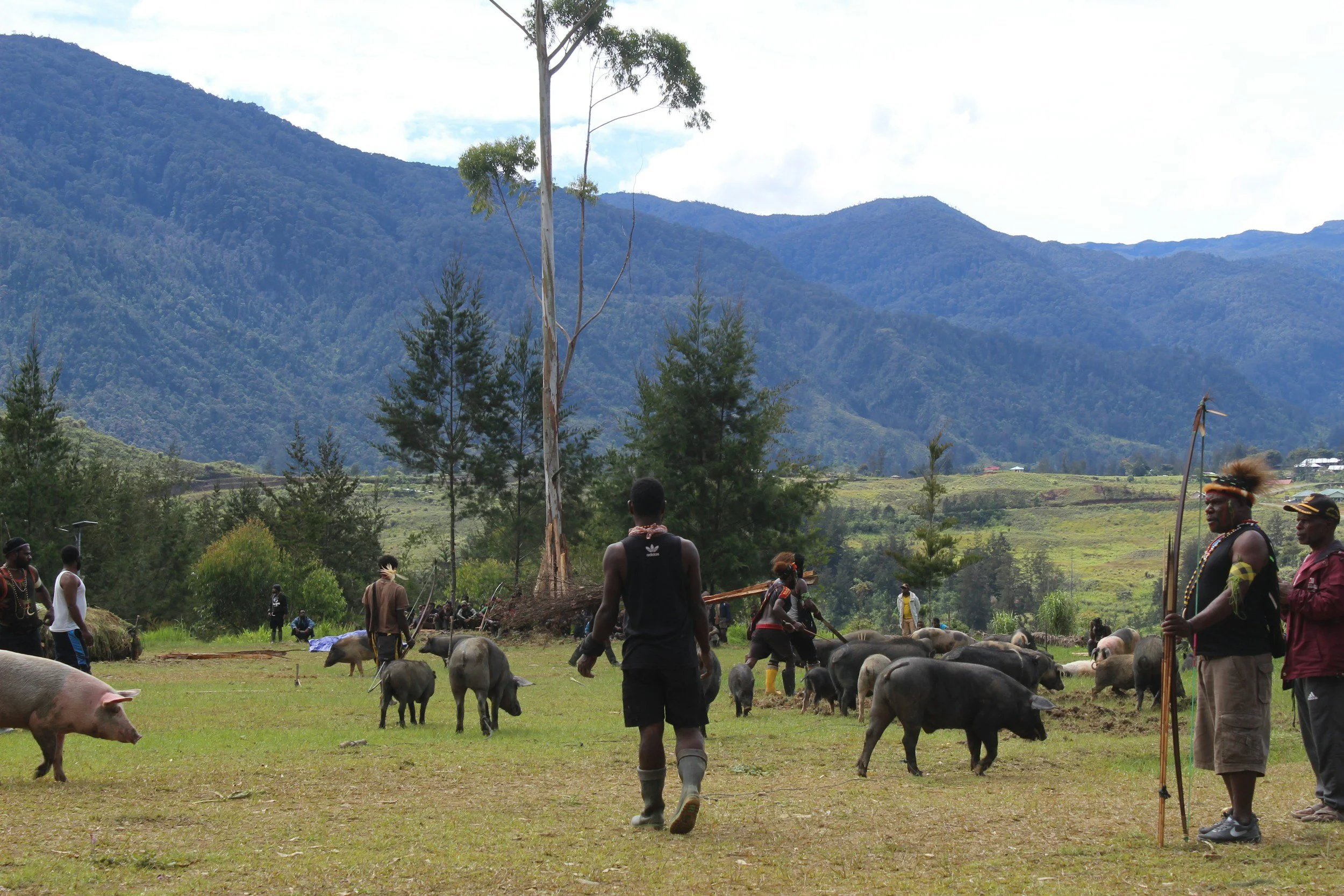
Understanding the human dimensions of conservation.
Many conservation outcomes are influenced not only by ecological conditions, but by human decisions, beliefs, incentives, relationships, and institutions.
CDI applies behavioral and social science to help investigate the human dimensions of conservation challenges.
This may include questions involving human-wildlife coexistence, adoption of conservation practices, stakeholder engagement, decision-making, attitudes and perceptions, behavioral barriers, and the design of interventions intended to encourage conservation outcomes.
Questions might include:
What influences whether people adopt a conservation practice?
What barriers prevent an intervention from having its intended effect?
How do perceptions of wildlife influence coexistence?
Can behavioral science help strengthen the design or implementation of a conservation program?
Research & Evidence Synthesis
Connecting what is already known.
Sometimes the evidence needed to address a conservation question already exists—but is scattered across studies, datasets, organizations, or disciplines.
CDI helps bring that evidence together.
Our work may include systematic reviews, meta-analysis, quantitative evidence synthesis, secondary-data analysis, literature reviews, research design, and the identification of important evidence gaps.
Questions might include:
What does the existing evidence collectively tell us?
Why do studies examining the same conservation intervention reach different conclusions?
Which factors consistently influence outcomes across locations or populations?
Where are the most important gaps in the current evidence?
Program Evaluation
Understanding what works, where, and why.
Conservation organizations invest significant time, resources, and expertise in programs intended to create meaningful change.
Evaluation can help determine whether those programs are achieving their intended outcomes—and provide insight into why they succeed, where they encounter barriers, and how they might be strengthened.
CDI works with partners to develop evaluation questions, identify meaningful indicators, analyze outcomes, and interpret results in the context in which programs operate.
Questions might include:
Is the program producing the outcomes we intended?
Which elements appear to be contributing most to success?
Where are participants or communities encountering barriers?
How can what we learn inform future program design?
What a Collaboration Might Look Like
The project begins with the question.
A collaboration with CDI might begin with a dataset that has never been fully explored, a pattern noticed in the field, an unanswered research question, an existing program that needs evaluation, or a conservation challenge that would benefit from another analytical perspective.
Projects may range from focused analyses and evidence reviews to longer-term interdisciplinary research collaborations.
We work with partners to define the question, understand the context and available evidence, determine an appropriate analytical approach, and communicate findings in forms that can support conservation practice.
Have a question you’re exploring?
You do not need to arrive with a research design or know which analytical method is appropriate.
If your organization is encountering a conservation question that could benefit from additional evidence, analysis, or interdisciplinary perspective, we would be glad to learn more.